
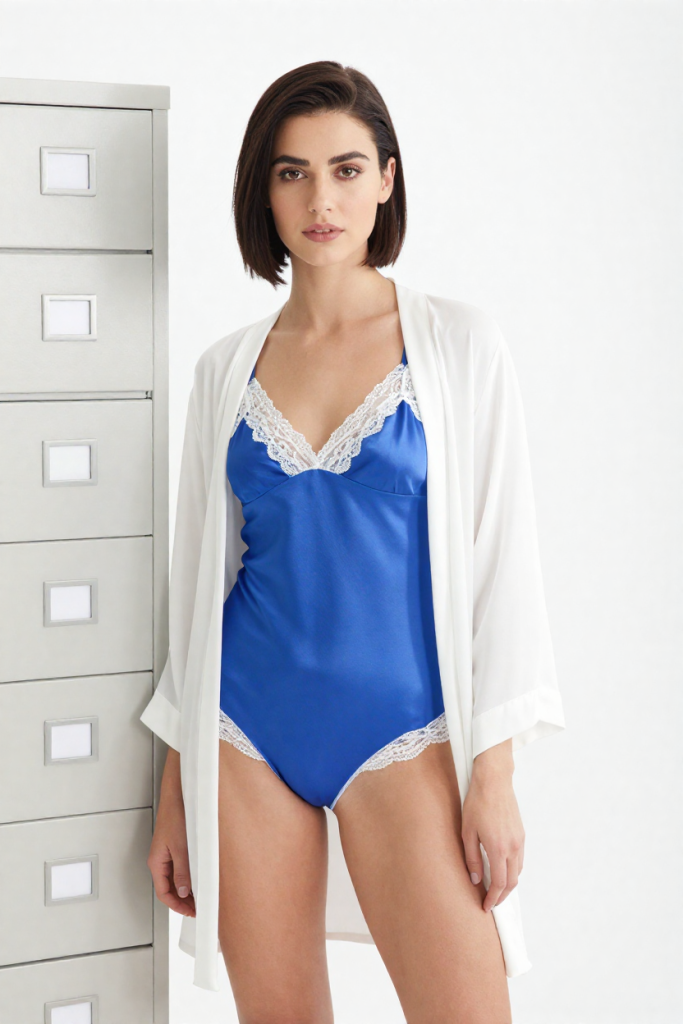
A record is only useful if it can be checked, and a frame can only be checked against a record that was written exactly. That is why her filing card is kept in measurements, not impressions: a named hairstyle, a named signature, an age stated as a number. Anything vaguer cannot be passed or failed — it can only be agreed with, generously, which is how drift gets filed as truth.
Judging at this desk is a clerk’s work, done in a fixed order. Identity first: the frame read against the five entries, line by line; one failed entry ends the hearing. Craft second: hands, edges, light direction, background clutter. Purpose third: what job was this frame filed to do — cover, feed piece, first frame of a clip? A frame with no purpose is a cull however fine it looks.
Keepers are finished in the same clerical order: repair first, swap second, upscale last — and each finisher pulls the card again before it starts, because the file, not the previous frame, is the standard. The previous frame may itself have drifted off the record.
Exact records, exact readings. A studio that files its characters properly never has to argue about who a frame was supposed to be.